أسرار السيطرة في ألعاب الحرب الاستراتيجية وبناء التحالفات القوية
السيطرة في ألعاب الحرب الاستراتيجية لا تعتمد على الجيش فقط، بل تحتاج إلى اقتصاد قوي، تحالف منظم، توقيت دقيق وخطة طويلة المدى.
اقرأ المزيد
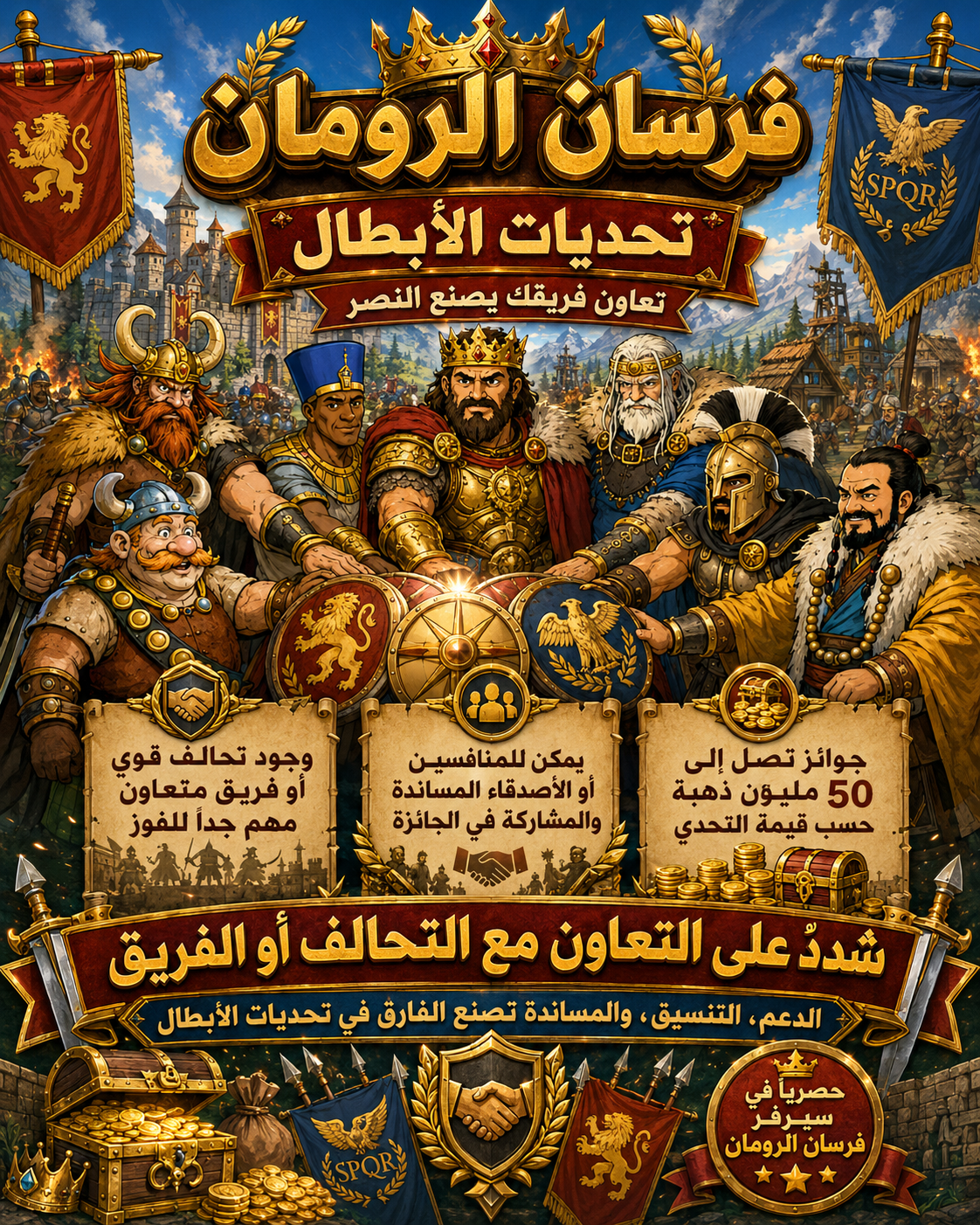
أخبار وشروحات واستراتيجيات خفيفة وسريعة.
السيطرة في ألعاب الحرب الاستراتيجية لا تعتمد على الجيش فقط، بل تحتاج إلى اقتصاد قوي، تحالف منظم، توقيت دقيق وخطة طويلة المدى.
اقرأ المزيد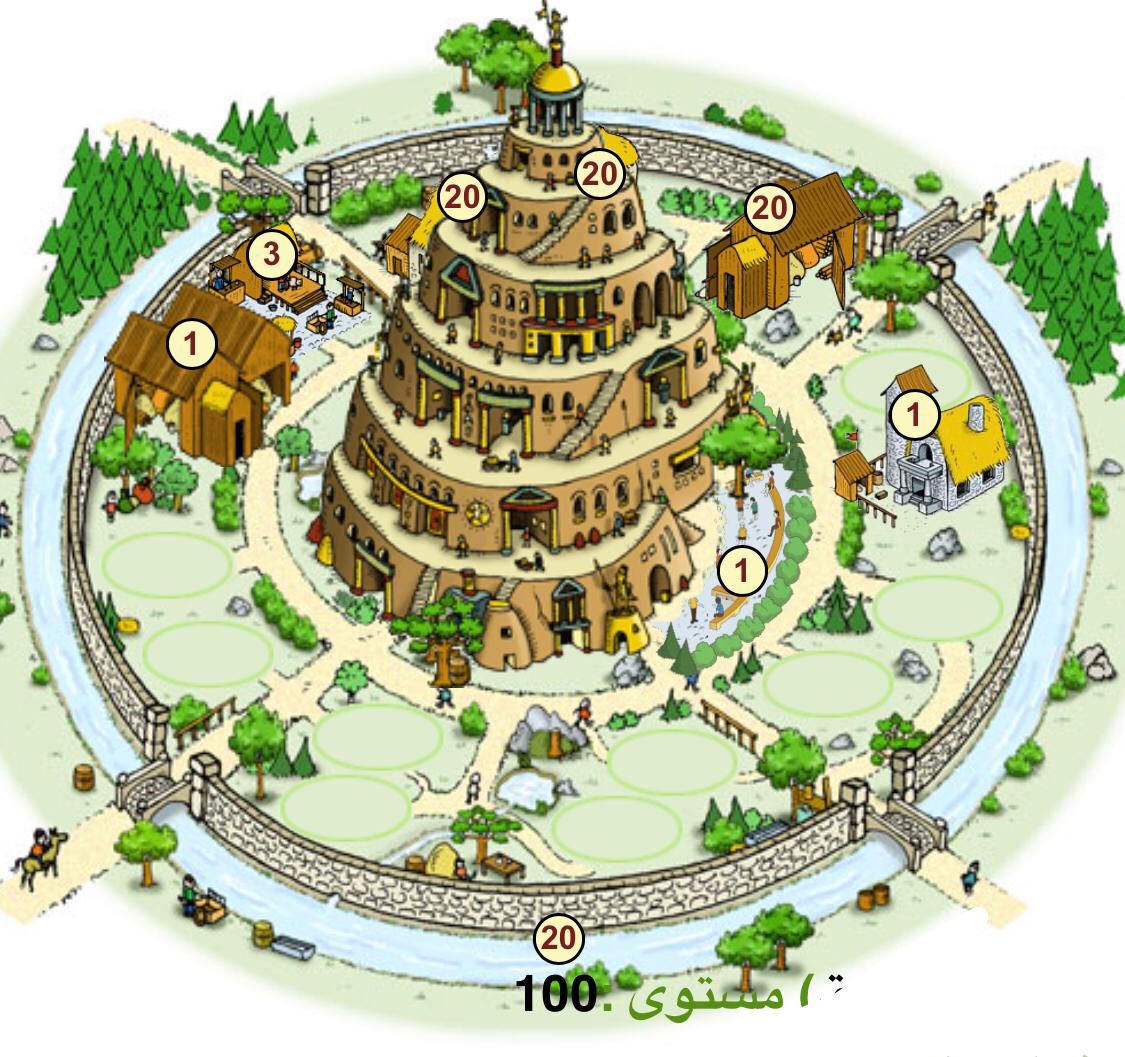
ابدأ رحلتك في فرسان الرومان بخطة صحيحة، تعلم كيف تطور الموارد، تبني قريتك الأولى، تدرب القوات وتدخل المنافسة بثقة.
اقرأ المزيد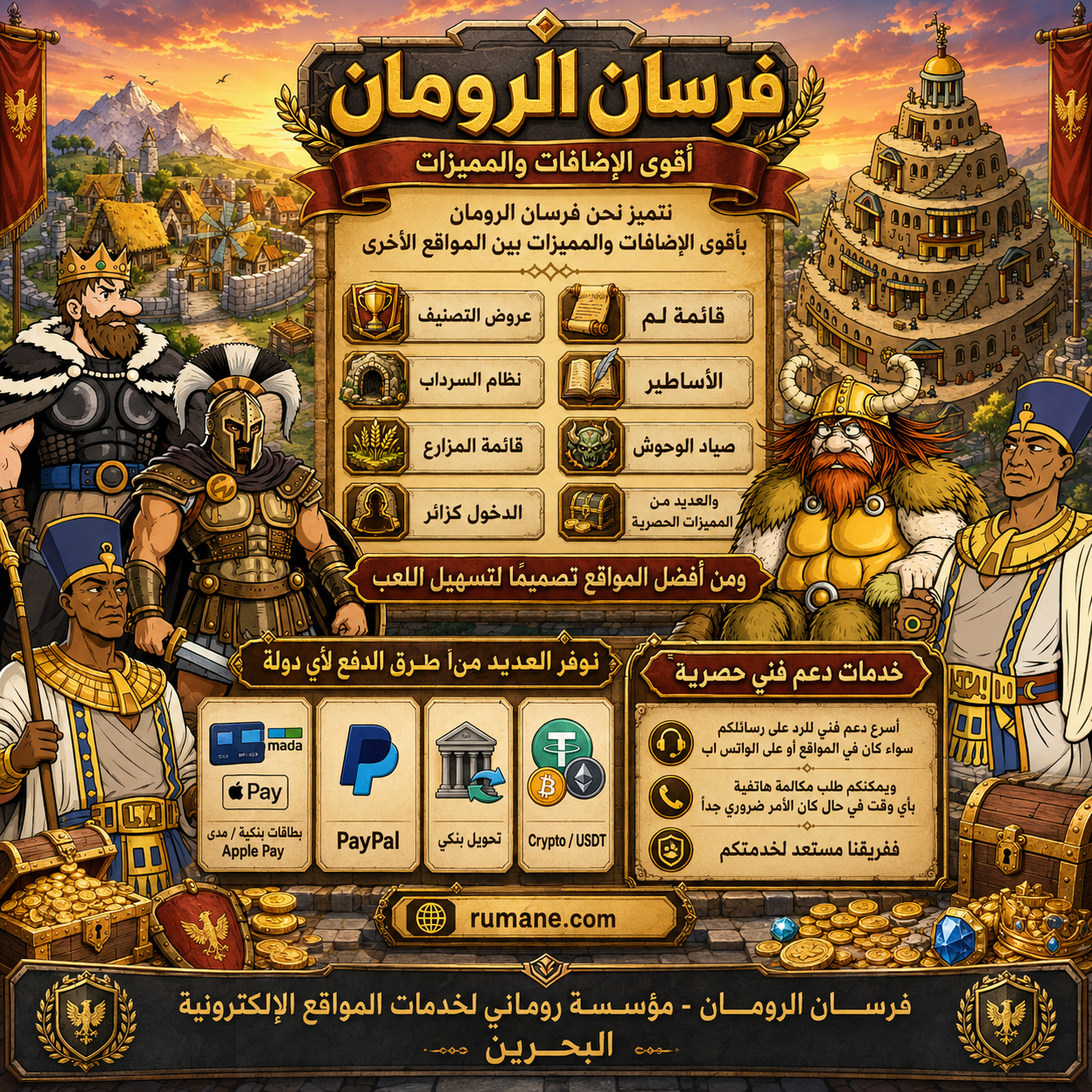
إذا كنت تبحث عن لعبة حرب استراتيجية عربية تعيد لك أجواء ترافيان القديمة، فإن فرسان الرومان تقدم تجربة مليئة بالبناء، التخطيط، التحالفات والحروب.
اقرأ المزيد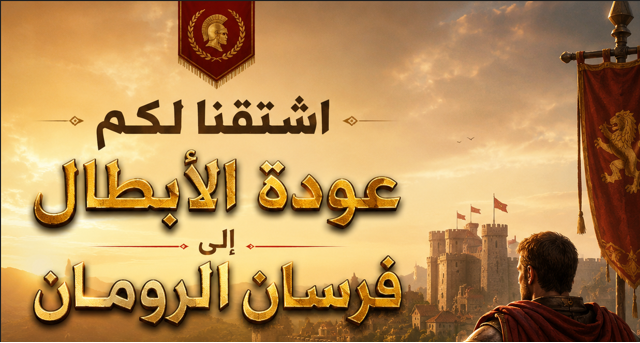
إذا كنت من لاعبي ترافيان القدماء وتفتقد أجواء القرى، الجيوش، التحالفات والمعجزات، فقد حان وقت العودة إلى المنافسة من جديد في فرسان الرومان.
اقرأ المزيد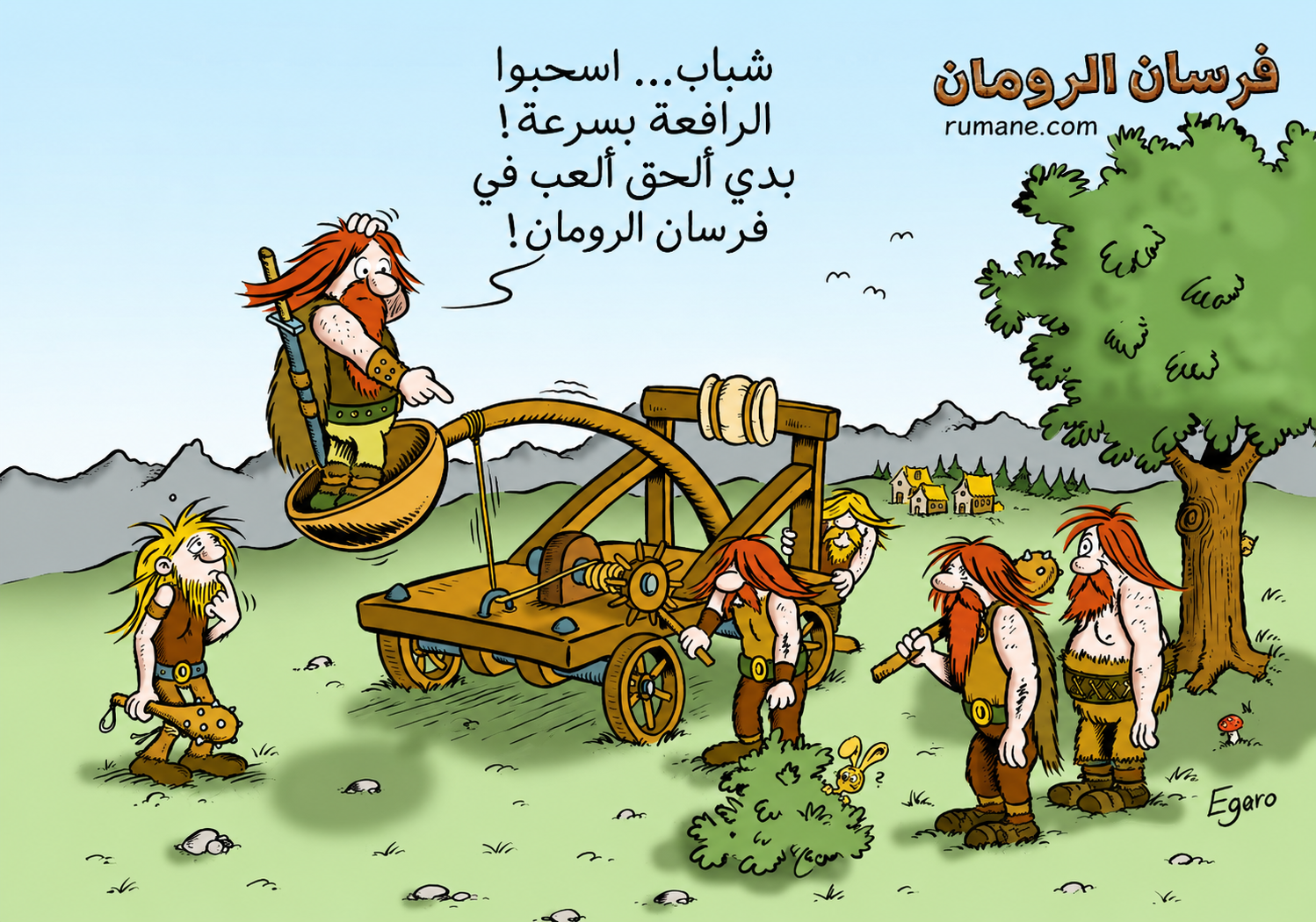
نظام التصنيف في فرسان الرومان يمنح اللاعبين ميزات متزايدة حسب مستوى التصنيف، سواء من خلال الشحن أو الفوز بالمعجزات، مما يفتح قدرات أقوى داخل السيرفرات.
اقرأ المزيد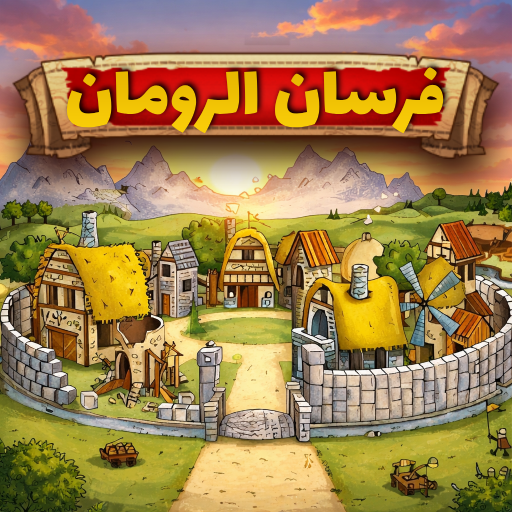
ابدأ رحلتك في فرسان الرومان بخطة ذكية. هذا الدليل يشرح لك كيف تطور قريتك، تستغل الموارد، تدرب جيشك، وتستعد للمنافسة على معجزة العالم.
اقرأ المزيد